
Tanzania.
Tanzania offers a compelling intersection of dynamic smallholder agricultural corridors (SAGCOT), emerging export horticulture around Arusha and Kilimanjaro, widespread mobile payment infrastructure, and progressive agricultural research institutes (e.g. TARI, SUA).
Smallholder cooperative aggregation along the SAGCOT corridor, post-harvest cooling validation in Arusha, and realistic off-grid telemetry testing.
Tanzania represents Jemara’s initial focal point for exploratory partner discussions in East Africa, subject to formal founder confirmation. We do not claim registered offices, licensed drone operations, or commercial sales representation.
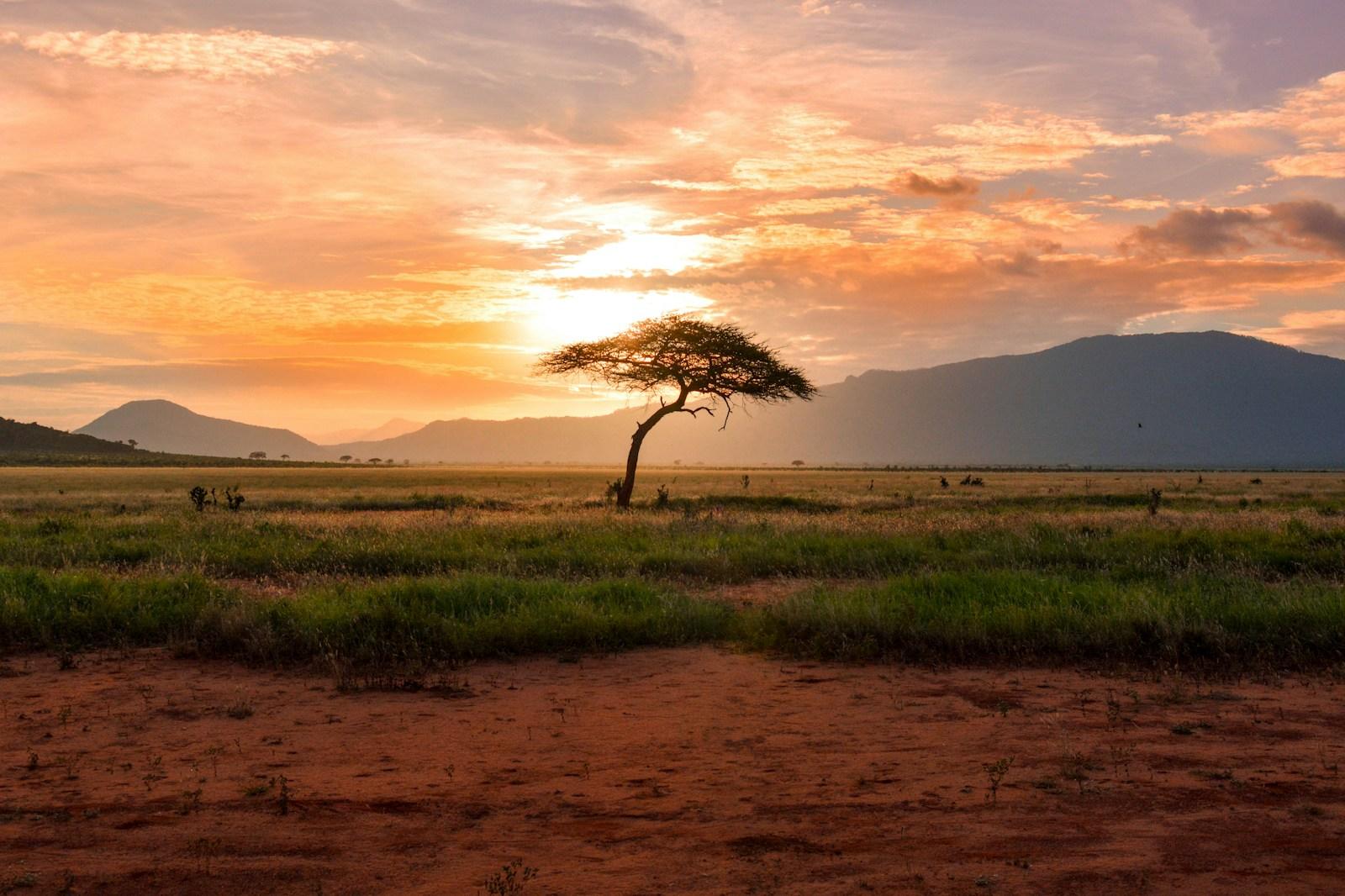
Smallholder Aggregation & Commercial Corridors.
Agriculture employs approximately 65% of Tanzania’s workforce and contributes over 25% of national GDP. Production is predominantly smallholder-driven, with average farm sizes between 0.5 and 2.5 hectares, alongside growing commercial estates in the Southern Highlands and Northern corridor.
- 01SAGCOT (Southern Agricultural Growth Corridor of Tanzania): Focused on rice, sugarcane, dairy, tea, and horticulture.
- 02Northern Horticultural Corridor (Arusha & Kilimanjaro): Focused on export vegetables, avocados, flowers, and coffee.
- 03Lake Zone (Mwanza, Shinyanga): Cotton, maize, and cassava production.
- 04Kilombero Valley: Intensive wetland rice cultivation and outgrower sugar schemes.
Most smallholders operate through Agricultural Marketing Co-operative Societies (AMCOS) or informal farmer groups. Access to formal credit is limited; seasonal cashflow peaks at harvest, and informal credit mechanisms predominate.
Physical & Digital Operating Baselines.
Field systems must be engineered strictly around these verified operational conditions:
National grid coverage has expanded rapidly through TANESCO and REA (Rural Energy Agency), but outages remain frequent in rural areas. Off-grid solar systems (DC 12V/24V) and solar water pumps are widely adopted and essential for field reliability.
Cellular coverage (Vodacom, Airtel, Tigo, Halotel) is extensive along road corridors, but falls to 2G/EDGE or dead zones in remote rural valleys. Mobile money (M-Pesa, Airtel Money, Tigo Pesa) is the ubiquitous payment medium, processing virtually all commercial transactions outside urban banks.
Primary tarmac highways connect Dar es Salaam, Morogoro, Iringa, and Arusha reliably. Secondary feeder roads connecting farms to aggregation sheds are often unpaved and can become impassable for standard vehicles during the rainy seasons (Masika: March–May; Vuli: Oct–Dec).
Importing specialized electronics and sensors requires clearing through Tanzania Revenue Authority (TRA) and compliance with Tanzania Bureau of Standards (TBS). Port delays at Dar es Salaam require generous lead time planning (4–8 weeks minimum buffer).
Constraints to Respect.
- 01No assumption of permanent high-speed internet in farm sheds.
- 02Technology must operate reliably despite fine volcanic dust during dry seasons and heavy humidity during rains.
- 03User interfaces must support clear Swahili terminology; icon-driven UX is critical for varying literacy levels.
- 04Spare parts and repair must be achievable using locally obtainable components where feasible.
Current Scoping Areas.
Post-Harvest Cold Storage Telemetry
Collaborating with local horticultural cooperatives in Arusha to monitor decentralized solar cold-room temperatures and humidity.
Solar Irrigation Optimization Briefs
Validating low-cost soil moisture monitoring with smallholder vegetable growers along the Kilombero river basin to reduce diesel generator fuel costs.
Cooperative Aggregation Data Workflows
Evaluating lightweight digital weigh-scale and quality logging tools that sync offline over Bluetooth to tablet computers for AMCOS managers.